Music Ate AI's Homework, Vol. II: Don't Build Without Listening
Vol. II of Music Ate AI's Homework, at LA Tech Week: a music litigator, a product marketer and an artist on AI and creation. The lesson for anyone building AI products: ask before you ingest.

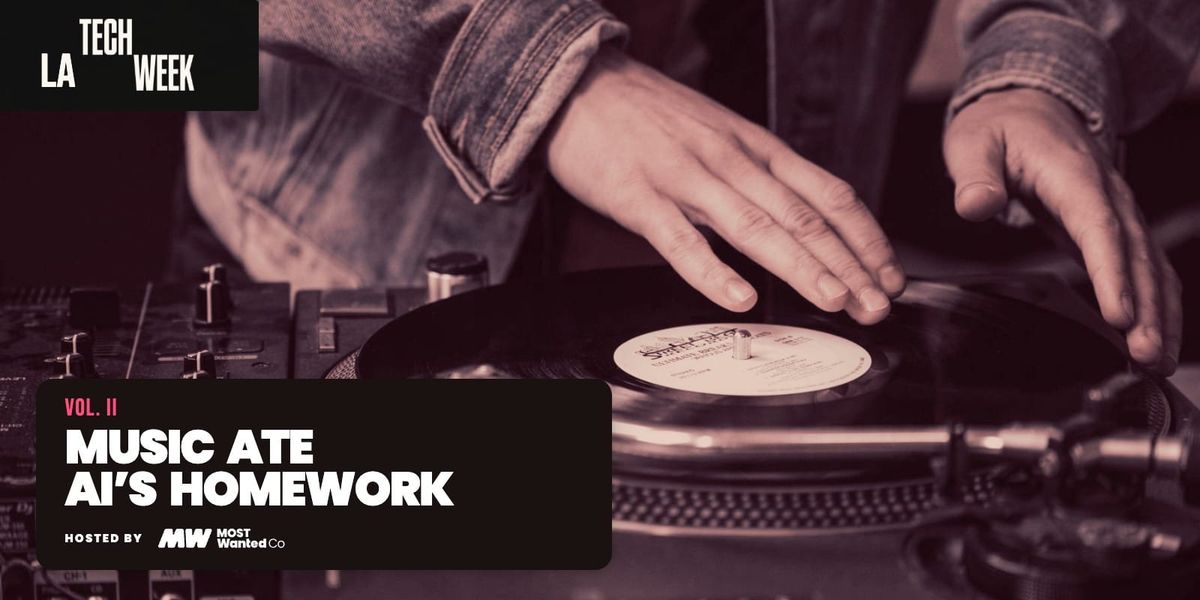
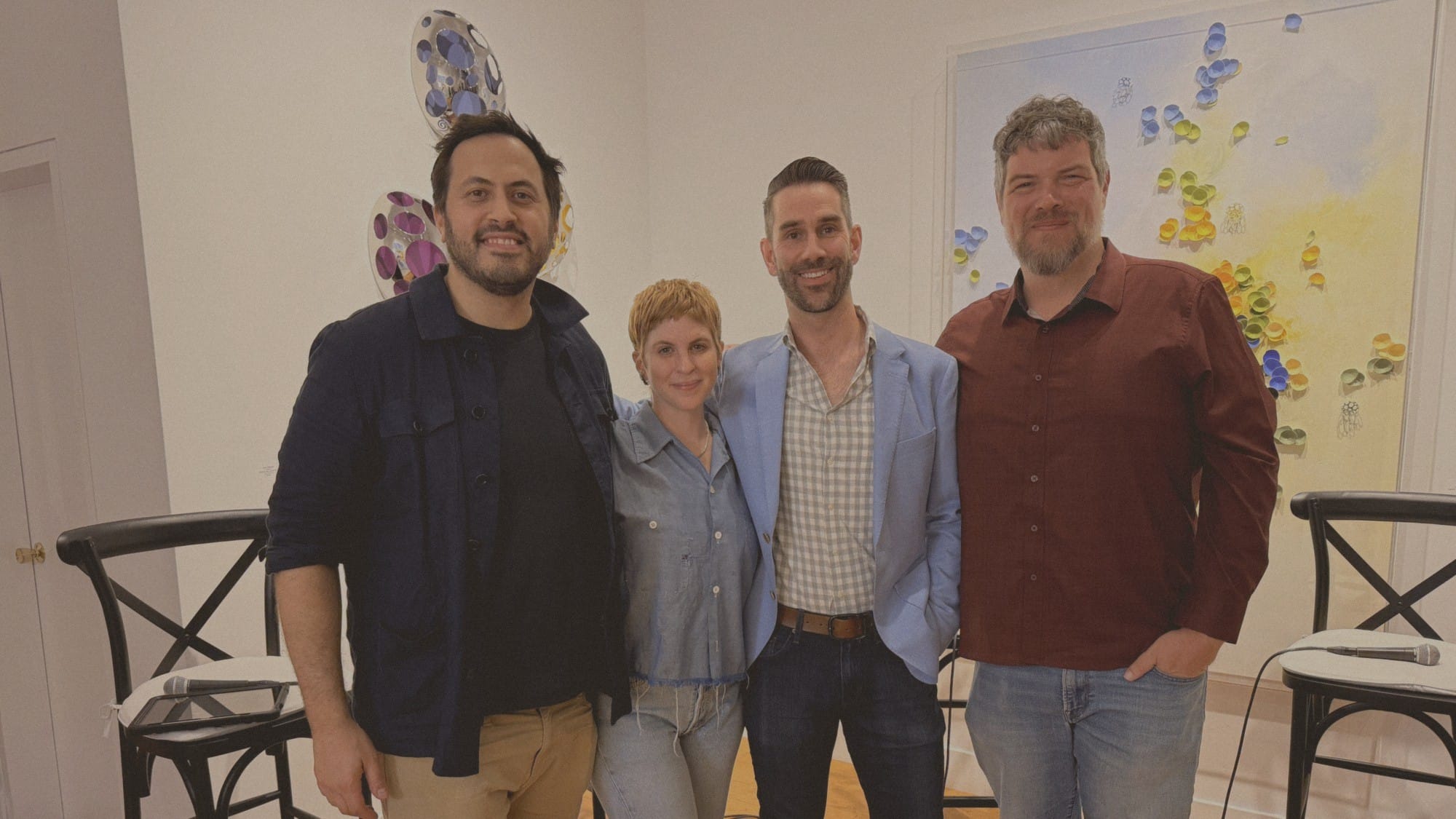
Music Ate AI's Homework is an ongoing series of discussions hosted by MOST Wanted Co, bringing together leading product, marketing and legal minds to discuss how operators and artists are rethinking their businesses in the age of AI. Volume II was hosted on Thursday, October 15, 2026 at the Bruce Lurie Gallery in Santa Monica, as part of LA Tech Week by a16z. Panelist opinions are their views only, not legal advice.
We recently hosted the second Music Ate AI's Homework during LA Tech Week by a16z, with three panelists on how AI is changing creator tools and impacting artists who use them. Our first panel in June focused on distribution and streaming. This one focused our discussion earlier in the creative process, to investigate how trust is built and kept with creators who are highly skeptical of anyone building tools in this space.
We started these discussions because in the past, the music industry has been a bellwether of massive disruption to other industries. Now, artists and creators are directly impacted by the very same issues around ownership and attribution that all of us are facing when it comes to AI training on our expertise and taste. Whether you're an artist or a thought leader – no one wants years of hard work and judgment being gobbled up and stolen by an AI.
This is why many of our clients are now rethinking how they build, brand, and bring AI-powered products and services to market: because there is a massive trust gap when it comes to AI products and services, and for good reason. To capture and retain customers in a world filled with an overwhelming number of AI tools, we looked at music tech first to cut through the clutter.
Who was on the panel
- Josh Ingram - Founder, Strategist (MOST Wanted Co)
- Ben Lindell - Producer, Head of Marketing (formerly Tamber, Universal Audio, Akai)
- Ben Akley - Partner, Pryor Cashman
- Jenna Maranga - aka Isla June (Songwriter, Artist, Founder of Jammy)
What was discussed
1. Don't build without listening
The most important insight during our discussion came with a very strong artist perspective from Jenna Maranga (they/them), who is a commercial songwriter and tech founder of Jammy, a service for artists and songwriters to get unbiased commercial feedback from established pros, mix engineers, and supervisors. I'd asked them whether companies in music tech who are building AI tools are getting things right. They confidently said no, and articulated simply why:
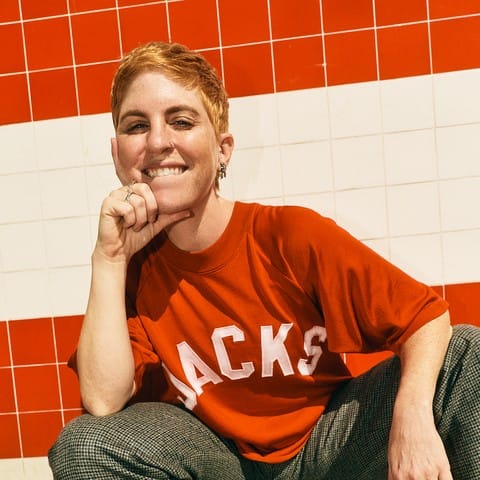
Songwriter (Grey’s Anatomy, Selling Sunset)
Jenna’s perspective was that artists feel companies in music are building first, and sharing their new capabilities with artists second. To add insult to injury, AI tools are then frequently offered as an opt-out. They want it reversed: "artists using a platform should have to opt in and not out" when it comes to being a part of a new, AI-powered feature. Especially if that feature is licensing or distributing their work in any way.
This is a sensitive topic for artists in music, because there’s a long history of the industry not exactly putting them first. And if you zoom out, and swap “artist” for “designer” or “analyst” or even “thought leader” – this applies to almost any AI tool offered right now. If you move too fast, and you don’t get customer permission to ingest training data – you may have a customersuprising on your hands. The best way to make sure you don’t breach hard earned trust with your customer base, is to make sure the people whose work is ingested are not the last ones asked for permission. Just ask artists how this feels.
2. Are we in a Napster moment? Yes and no.
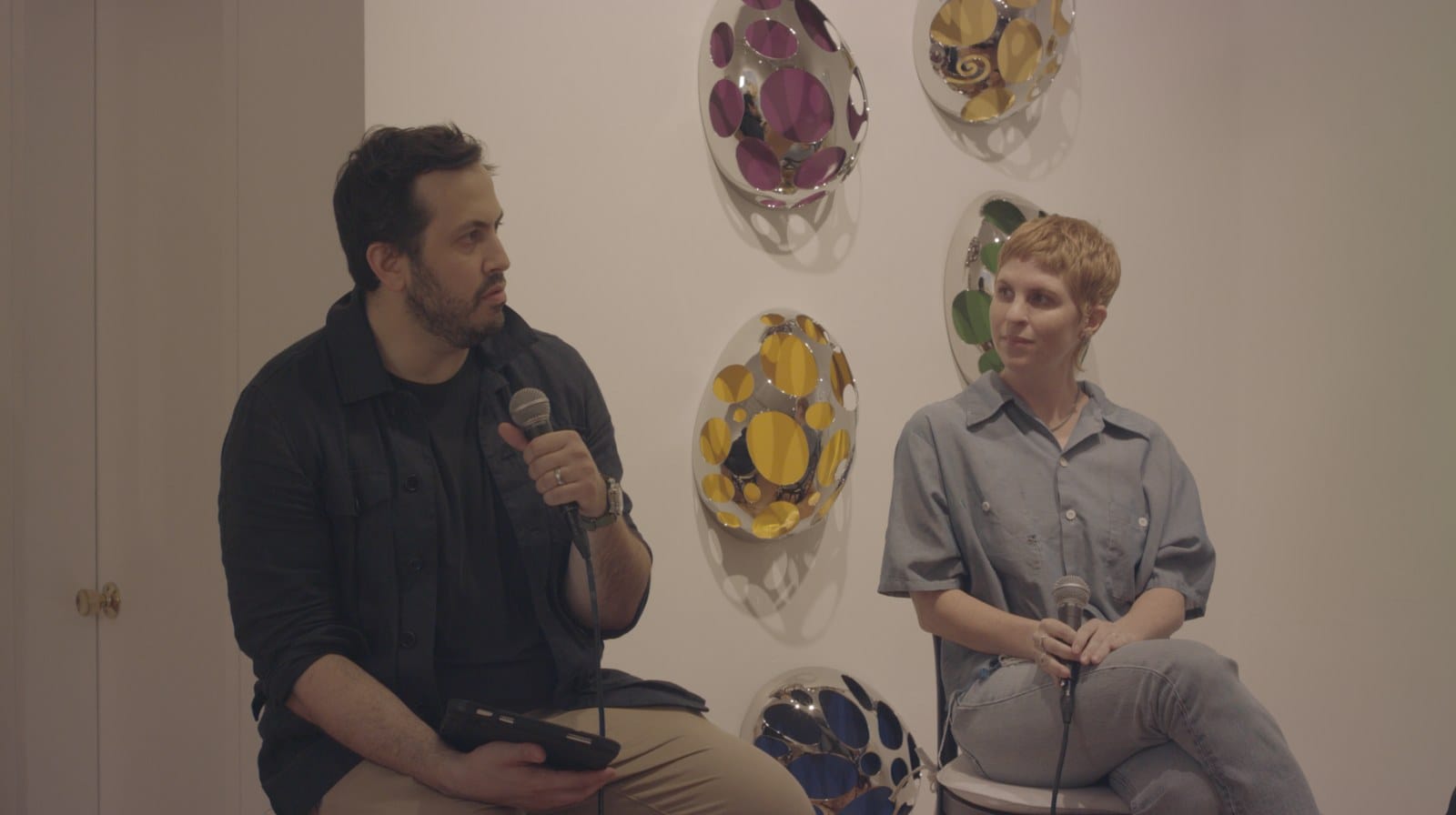
We asked the group early on in our discussion, whether the music industry is in another Napster moment when it comes to AI. The answers surfaced an important distinction, drawn first by Ben Akley, a partner and litigator at Pryor Cashman:

“We want to reward creators for doing their work… But the intention with that is the notion that we want there to be a very rich creative environment in the world, with lots of things being creative and lots of things being derived from other creative works."
— Ben Akley
Akley’s point was that Napster disrupted distribution and monetization, whereas AI capabilities today reach deep into the creation and generation of the music itself. Jenna described how existential that feels in their day-to-day work as a songwriter, and how they feel like they are unable to dictate to collaborators how they’re comfortable working with AI – or not working.
Ben Lindell (formerly Universal Audio, Tamber, Akai) was more hopeful about what could follow and pointed to the iPod and iTunes store emerging from the disruption Napster caused. As I reflect on this, I don't know what the equivalent will be for AI creation, or whether artists will have much say in it – but I stand somewhere in the middle in that, as long as artists are given a choice for how their work is ingested and compensated for it, it should be the creator's choice to determine how much or how little they want to use AI in their creative process.
3. What is creative, and what is ownable?
From a legal perspective, Akley went deep on how the copyright office defines ownable work – and this offered an important nuance. In his account of the office’s position, human contribution is the basis for protection of work:
"…it needs to be something that is human derived, like that derives from human creativity."
— Ben Akley
He illustrated the problem with a completely AI-generated song or work. What Akley explained is that the clearance for use question for AI-generated music is relatively easy because the output isn’t protectable; a creator of a totally AI-generated work can’t claim exclusive rights. But mixed human and AI contributions make these questions much harder. If you are building a new capability for your product that combines human input with generative AI outputs, you have to carefully balance your organization’s values, customer trust, and legal exposure to make the right decision.
Akley also separated the disputes over material used to train models from questions about what those models produce. In his account, the input disputes remained unsettled, while output that closely resembles existing work raised more familiar infringement questions. He sees licensed training material as a selling point for an enterprise – but Jenna pointed out artists have been left without a seat at the table when negotiating those licensing deals.
For a product team, this leaves important questions worth answering: Can you explain what went into the work your customer is paying for? Are you asking for permission or infringing on owned work in your training data? And what do customers implicitly expect you to disclose to them?
4. Prove your humanity. Keep the receipts.
The question of attribution and “proof of human input” thus emerged as a consistent theme across both of our panels. From a product and marketing perspective, Ben Lindell framed "human" as a new differentiator. He put this plainly:

How you communicate a human-led product or service to customers, is now radically important. One example cited in the discussion was iHeartradio’s recent “Guaranteed Human” tagline that they’ve mandated to be used on every broadcast. While its application, and mandate, feels a bit jarring when you hear it on air - it's an instant trust-builder at a time when there are few rules on AI-disclosure, and rampant denial of use.
In November 2025, iHeartMedia told staff that its stations don't and won't use AI-generated personalities, and won't play AI songs with synthetic vocalists presented as real artists. DJs now say a "Guaranteed Human" line in their hourly legal IDs. iHeart uses AI for productivity and distribution tools, and cited research that most consumers want media from real people. For a company that sells trust, human-made became part of the product and the marketing.
My practical response on this is that it is now critical that builders and creators are honest about how they work, and to err on the side of disclosure. If you're building and bringing an AI product to market, have you thought through how you will communicate clearly and transparently to maintain trust?
The flip side
Jenna gave several very specific examples during our discussion in LA that raised concerns for artists. They described a commercial songwriting collaboration where the other creator wanted to put their vocal into Suno and change it into Korean for a K-pop song. They described the difficulty of trusting that collaborator to respect how they wanted their work used. After the interaction, Jenna didn't feel comfortable working with that collaborator, who wanted to change their topline using AI.
They also discussed an unintended consequence of all this is also the reverse problem: human-made work is getting flagged as AI-generated, even when it isn't. The detection tools are imperfect, and the cost of a wrong call unfortunately lands on the artist, who is now asked to prove a negative.
This is sadly, already happening. Dancehall artist Papa Michigan, for example, recently had a track rejected by his distributor, TuneCore, on the grounds that it used AI. He appealed, saying it was a "100 per cent human studio recording," and pulled the song before his album came out on August 14. It was up to him to fix this mistake and call it out. A well intended anti-slop measure that is as equally concerning as the root issue it is meant to address.
The other half of that is to save your receipts. And be open and transparent about them. Save your session files, your drafts, your works in progress, and your voice memos – whatever you’re working on. Keep dated notes and drafts so you can show how your work developed. And when you release work that includes your human input – explain your process. Don’t assume people will know you took the time to do things yourself. Increasingly – it is assumed – that work is made with AI. If you’re investing your time and resources into a hybrid or human-led approach – that is now a differentiator.
5. There is no one right way to work
As the discussion progressed, I tried to probe the group to pull out the various approaches to creating musical work by using AI in different roles. That’s my job as the moderator. This topic specifically, is referred to as “AI fluency”, and I discuss it in another article. On our panel the question revolved around asking the group: is there one right way to work with AI tools right now on music?
Jenna took a hard stance on this, and took the strongest opinion on artist control. They felt strongly it didn't need to be a part of their creative process and that artist rights includes the right to dictate how others collaborate, ingest, or derive any AI generated work from content the artist owns and creates. It’s an important stance to hear, and one that is often missing from the investor side funding new AI tools. Rightsholders are the owners, and the plaintiffs, in infringement litigation against companies that use their work for training data. This will remain the case.
"I don't think music has ever really been about achieving perfection, which is where I think AI kind of gets it all wrong. The best voices in the world are so imperfect and so bad, and so wonderfully bad, that they're iconic."
— Jenna Maranga
All of this raises larger questions about what human agency and creativity is in its purest form. And what that means for businesses that are building new creative tools. Ben Lindell, no stranger to the creative process having worked with artists from MGMT to G-Unit, discussed this at length. When asked "who is getting this right" he cited Splice’s Instrument tool as one of the more innovative ways to compensate original creators whenever their work is used by generative AI and include them in the value chain.
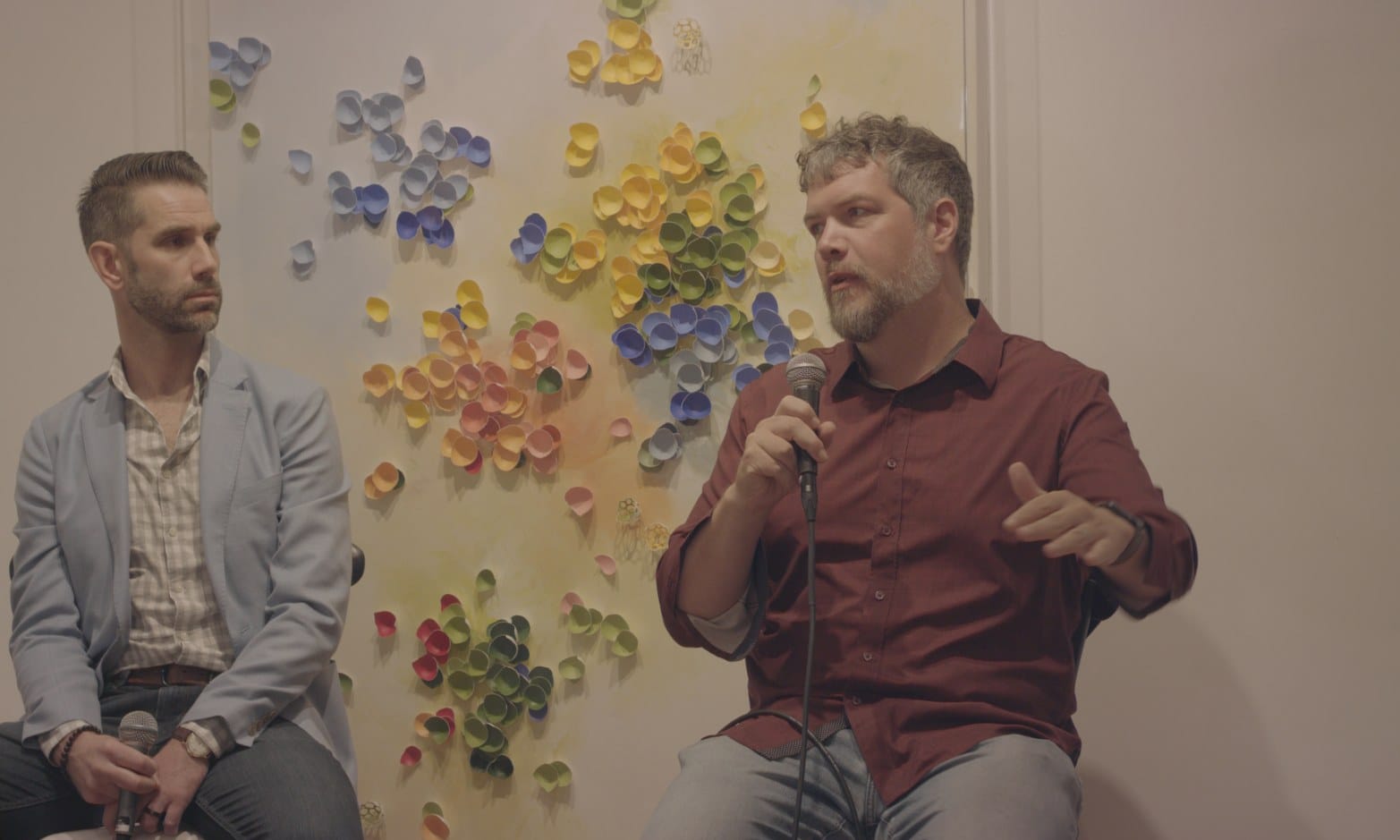
In my view – all of these approaches are valid as long as agency and decision-making by the original creator isn’t removed. We don’t get to dictate how people want to work, and we have a responsibility to creators and customers to give them options. Whether you’re a music creator or a thought leader - you can and should choose who and how to collaborate with others. AI-assisted or not, you should be able to use the tools that work for you.
If someone else wants to choose a tool that fills a gap in their ability, or that deepens their current skills allowing them to work better, faster – that’s great. As long as it’s not using someone else’s work as an input without permission. The choice to use an AI-assisted tool only becomes a problem when people pretend they didn’t use the tools, ignore what they promised or were paid to deliver, or strip original rightsholders of duly owed attribution and compensation. These are just some of the rules that music tech is writing, and that we can all learn from.
Bringing it all together
If human judgment is part of what makes work valuable, then it’s imperative that we don’t remove that human judgment from the process of building and bringing to market AI-powered products and services. And we must own that judgment, disclose it, and encourage it. While taste, judgement, and expertise are part of what makes a work valuable and good, an abundance of AI-generated content makes it harder to know what you are consuming. What I heard loud and clear across the board from a legal, product, and artist perspective was that while the rules are unclear, people value transparency and at minimum deserve the ability to choose whether the work they make or consume is human-made, AI-assisted, or a combination of both.
Furthermore, while I am typically in favor of using AI-tools in a collaborative, but not a hands-off role – the group’s discussion actually pushed my thinking and reframed the topic of AI fluency for me entirely. Where I landed was that creators should retain the right to dictate how they work with AI-powered tools, and also how others are allowed to work with the original content they produce and release. If you are building a product or service that caters to creators, especially in music – they deserve to be treated as partners in the product, not just as raw material for it.
Showing my own receipts: My process in writing this article
This article was written in collaboration with custom Claude & Codex tools I’ve built to sharpen my thinking. I use my agents as collaborative thought partners.
Here’s what my Claude & Codex agents did: pulled and analyzed the panel transcript, surfaced ideas I may have missed, drafted options for approaching the outline, generated initial language for specific paragraphs and topics, and critiqued or reworked language I wrote.
Here’s what I did: I started by writing down the key takeaways and rough quotes I wanted to include, then asked the AI to react. I picked the overall article angle, chose what to keep, and rewrote each section in my voice. I rejected more AI-generated material than I kept, including whole sections. When I hit a creative block, I asked the agents to finish small pieces of writing.
The tools gave me plenty of options and ways to improve. But ultimately, every piece of language here was my judgment call. I hope it helps you solve whatever problem you’re working on.